
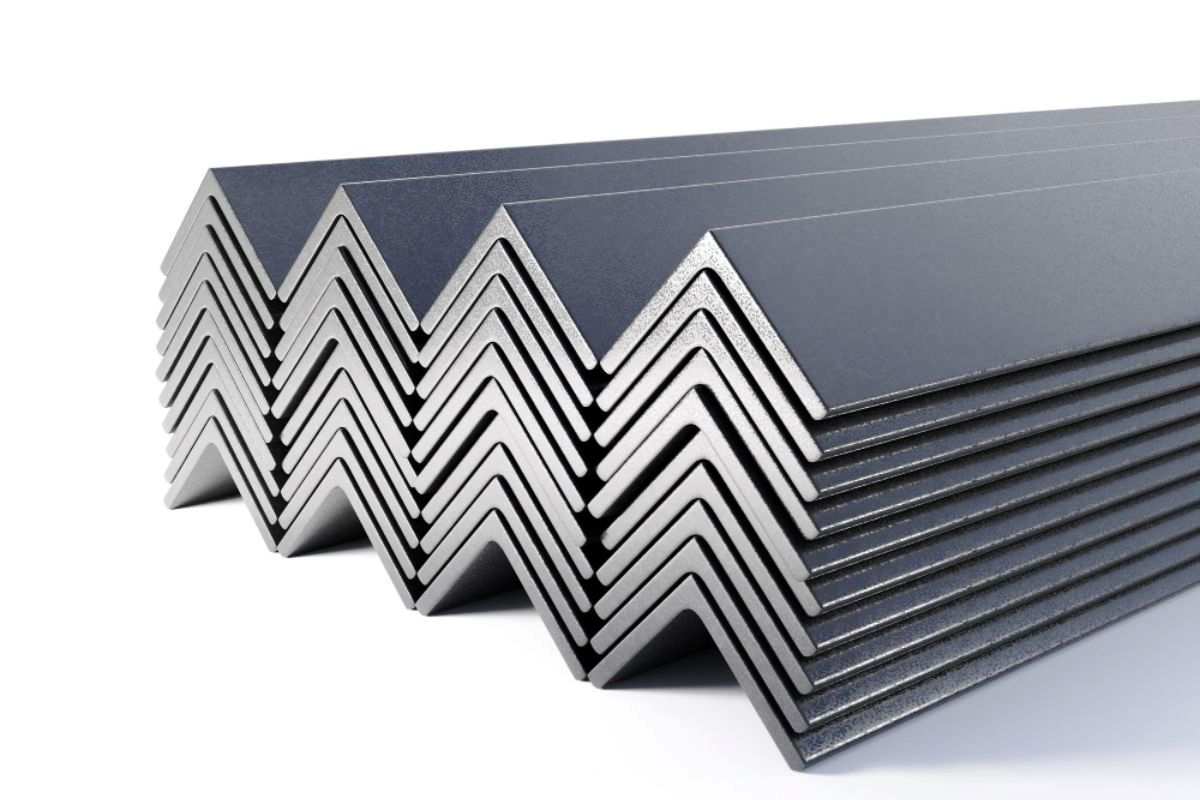
Metal Angle
₹46.00
Metal angles are structural components made from various metals, such as steel, aluminum, or stainless steel. They are shaped like an "L" and are commonly used in construction, manufacturing, and other industries to provide structural support, reinforce joints, and create frameworks.
Key Features and Benefits of Metal Angles:
Structural Support: Metal angles offer excellent structural support due to their rigid shape and high load-bearing capacity.
Versatility: They can be used in a wide range of applications, from building frameworks to machinery components.
Durability: Metal angles are durable and long-lasting, ensuring a long service life.
Corrosion Resistance: Depending on the metal used, metal angles can be resistant to corrosion, making them suitable for outdoor applications.
Customizable: They can be customized to various sizes, shapes, and thicknesses to meet specific requirements.
Types of Metal Angles:
Equal Angle: The legs of an equal angle have the same length.
Unequal Angle: The legs of an unequal angle have different lengths.
Wide Flange Angle: These angles have a wider flange on one leg, providing additional strength and stability.
Narrow Flange Angle: These angles have a narrower flange on one leg, often used in applications where space is limited.
Applications of Metal Angles:
Construction: Building frameworks, beams, columns, and bracing
Manufacturing: Machinery frames, brackets, and supports
Automotive: Vehicle frames, chassis components, and suspension systems
Industrial Equipment: Structural components for various industrial equipment
Decorative Elements: Metal angles can be used for decorative purposes, such as in railings, furniture, and architectural details.
Considerations for Choosing Metal Angles:
Metal Type: The choice of metal depends on factors such as required strength, corrosion resistance, and cost.
Size and Shape: The appropriate size and shape of the metal angle should be selected based on the specific application and load requirements.
Thickness: The thickness of the metal angle determines its load-bearing capacity and weight.
Surface Finish: The desired surface finish can be specified to meet aesthetic or functional requirements.
In conclusion, metal angles are essential structural components that offer versatility, durability, and strength. Their wide range of applications and customizable options make them a valuable asset in various industries.
Thickness | 2mm |
Shape | V Shape |
Usage/Application | Industrial |
Material | Mild Steel |
Tensile Strength | 250 MPa |
Corrosion Resistance | Yes |